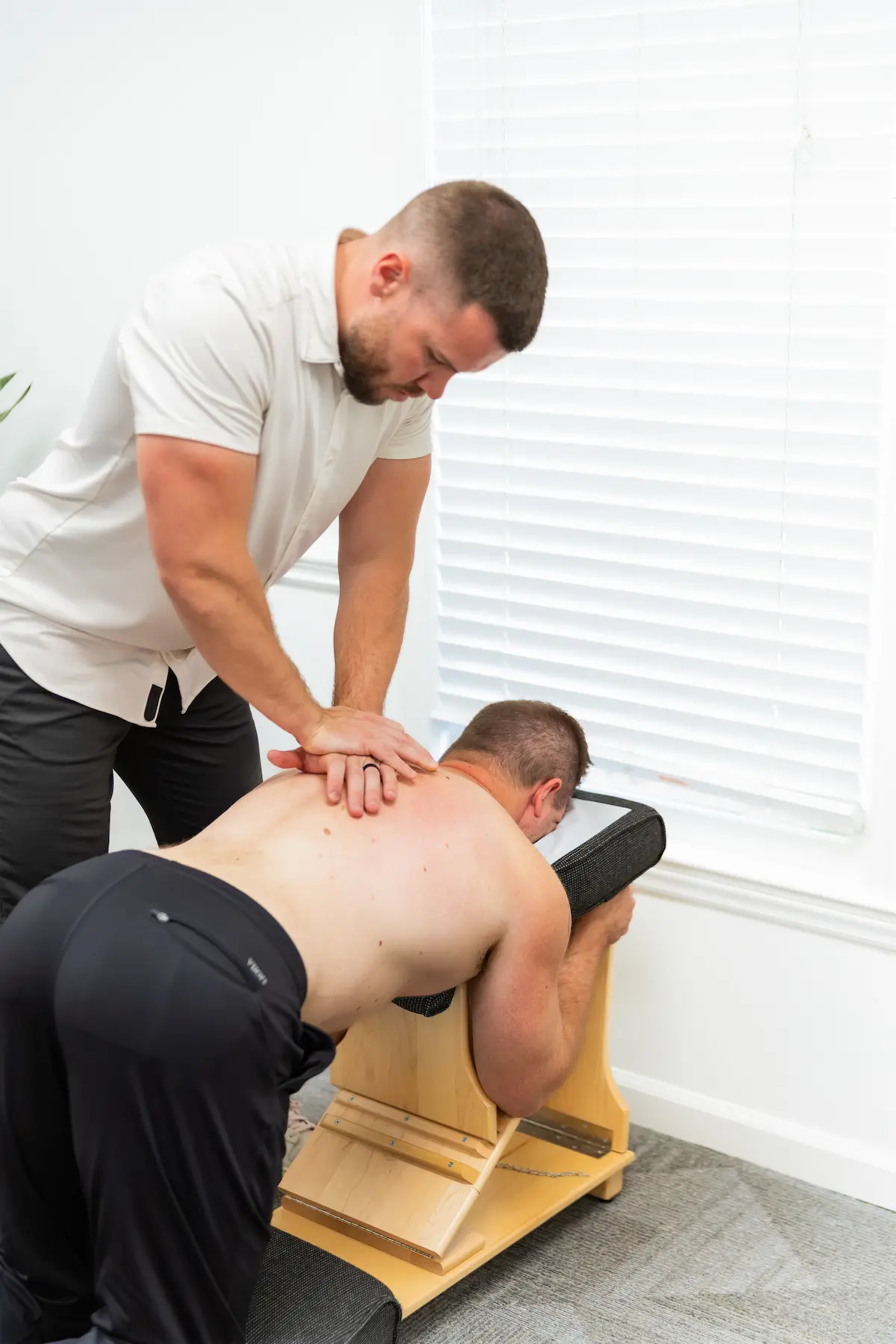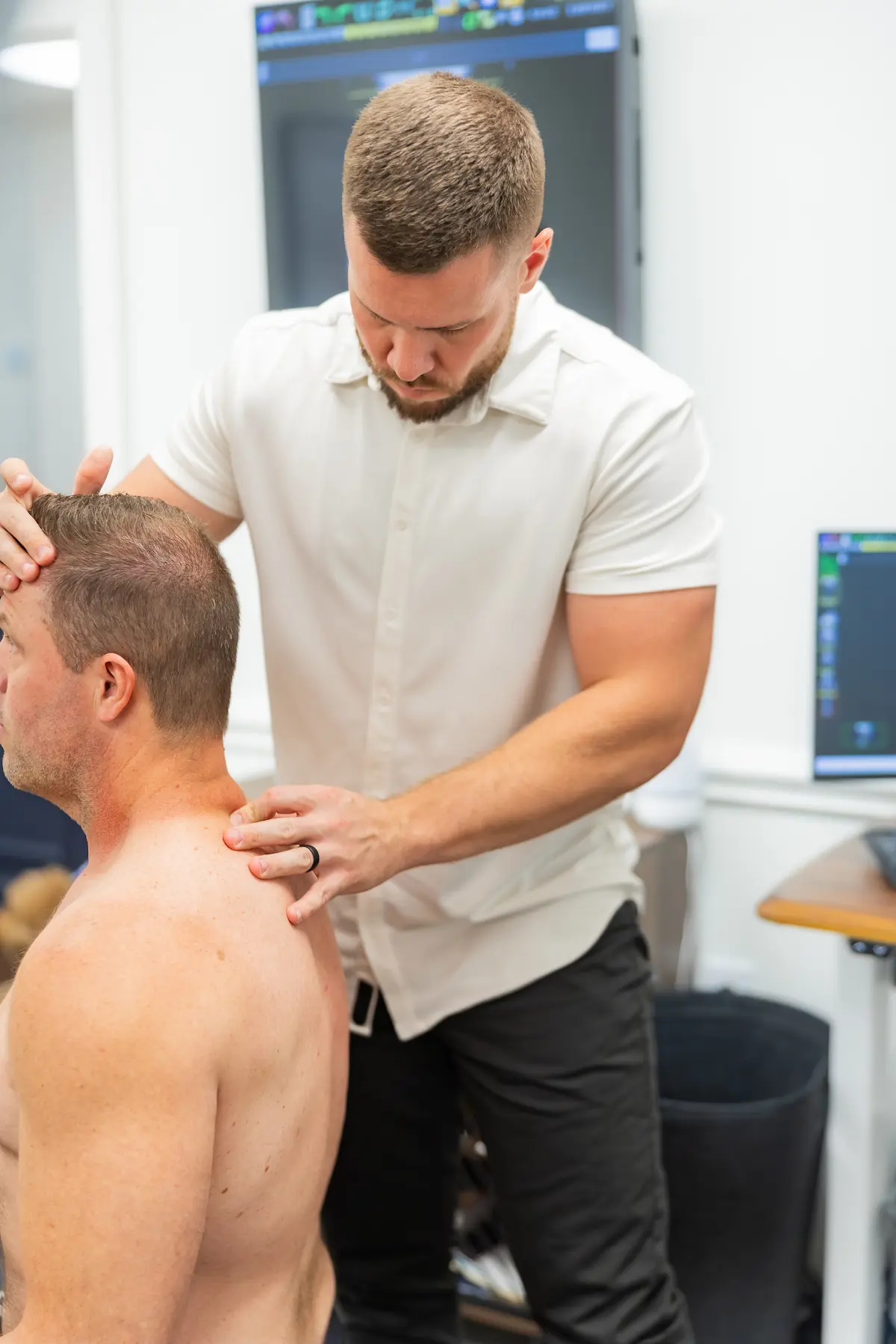
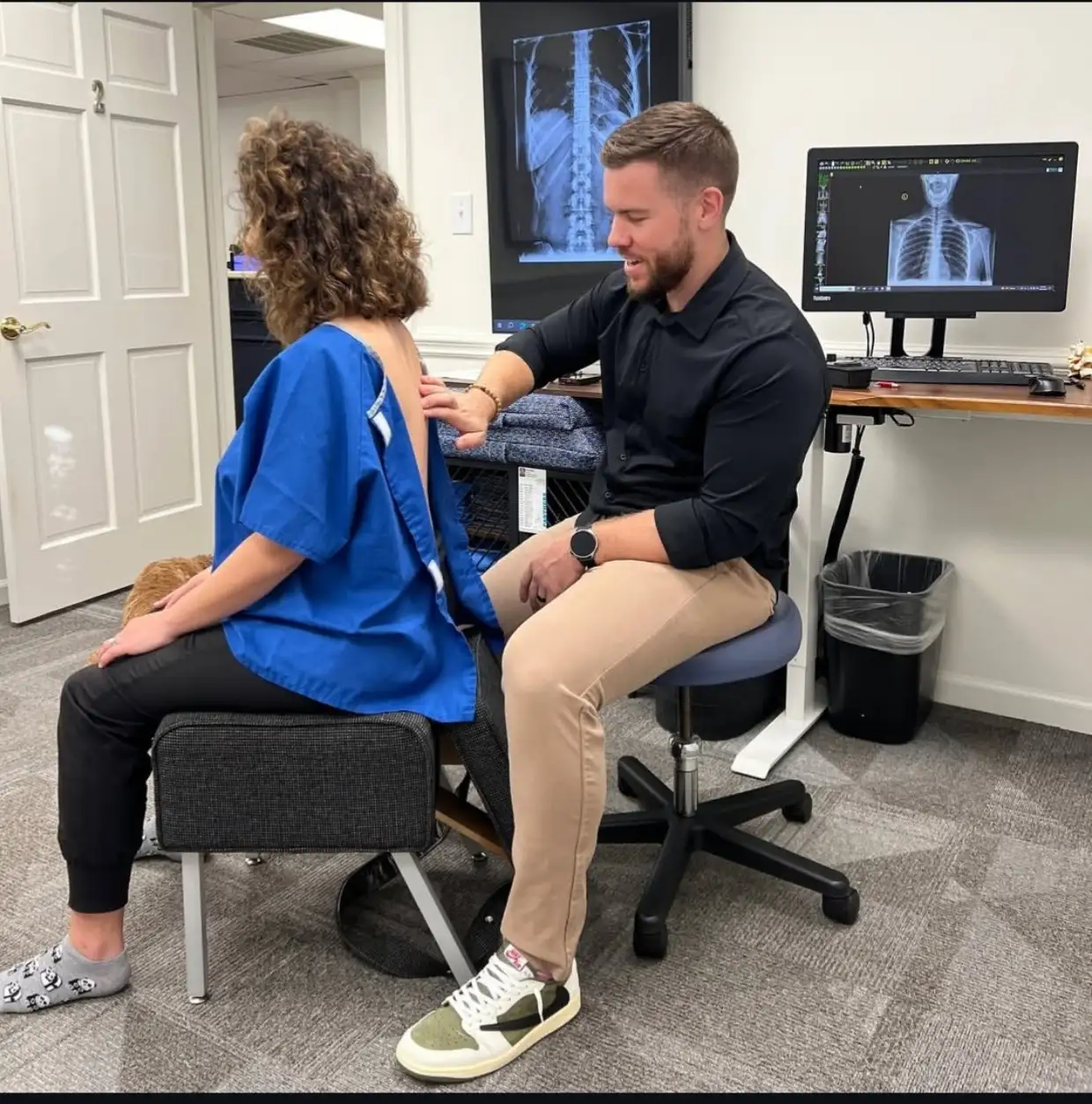
A spinal subluxation is a misalignment of one or more vertebrae that creates mechanical stress on the surrounding nerves, disrupts normal spinal motion, and interferes with the nervous system’s ability to communicate freely between the brain and the rest of the body. It’s the central concept in chiropractic care, and understanding what it actually is – and what it isn’t – helps explain why specific, precise correction matters so much more than general spinal manipulation. At Axiom Chiropractic in Southpark, every assessment we do is organized around finding subluxations objectively and correcting them specifically.
Breaking Down the Definition
The word “subluxation” literally means less than a full dislocation. In medical contexts, a dislocation is when a joint comes completely apart. A subluxation is when a joint shifts partially out of its optimal position – enough to create dysfunction, but not enough to be an obvious mechanical failure visible to the naked eye.
In the spinal context, a vertebral subluxation involves three interconnected components that Gonstead chiropractors evaluate together:
The osseous (bone) component. The vertebra has shifted from its optimal position. This shift can be in multiple directions – anterior, posterior, rotational, lateral – and is measured precisely on weight-bearing X-rays. The degree and direction of the displacement determine the specific line of drive needed for the corrective adjustment.
The nerve component. The displaced vertebra creates mechanical pressure or irritation on the nerve roots exiting the spine at that level. The nerves being compressed or stretched send altered signals – either too much firing (creating pain, muscle spasm, and sensitization) or too little (creating weakness, numbness, and reduced organ function). This nerve interference is the mechanism through which a subluxation affects health beyond just local pain.
The soft tissue component. The muscles, ligaments, and discs surrounding a subluxated vertebra adapt to the misaligned position over time. Muscles develop asymmetrical tension patterns that stabilize the misalignment. Ligaments remodel to the displaced position. Discs experience uneven pressure that accelerates degeneration on the compressed side. These tissue adaptations are part of why subluxations don’t self-correct and why correction requires consistent care over time.
What Causes Subluxations
Subluxations develop from three broad categories of stress – physical, chemical, and emotional – a framework Gonstead chiropractors call the “three Ts”: trauma, toxins, and thoughts.
Physical Stress (Trauma)
This is the most intuitive category. A car accident, a sports injury, a fall, or any sudden physical force can displace vertebrae acutely. But the more clinically significant driver is cumulative micro-trauma: the sustained forward head posture of screen use, the repetitive asymmetrical loading of a physical job, years of sedentary sitting, poor sleep position, carrying a bag consistently on one shoulder. These low-grade forces accumulate over months and years, gradually displacing vertebrae without any single obvious event.
Birth is also a significant source of early cervical subluxation – the compressive and torsional forces on the infant’s cervical spine during delivery are substantial, and many of the health challenges in infants and children that respond to chiropractic care have their origin in birth-related subluxation that was never identified.
Chemical Stress (Toxins)
The nervous system and the musculoskeletal system are directly affected by the body’s internal chemical environment. Chronic inflammation from poor diet, high cortisol from sustained stress, nutrient deficiencies that impair muscle and connective tissue function – all of these increase the susceptibility to subluxation and slow the correction process. A spine operating in a systemically inflamed, nutritionally depleted environment is harder to correct and harder to stabilize than a spine in a healthy biochemical environment.
Emotional Stress (Thoughts)
Chronic psychological stress creates sustained sympathetic nervous system activation, which manifests physically as elevated muscle tone throughout the spine. Stress-driven muscle tension is one of the most consistent drivers of vertebral displacement – when the muscles on one side of the spine are chronically tighter than the other, they pull vertebrae out of alignment progressively. Patients under high chronic stress often find their subluxation patterns return faster between adjustments, because the stress-driven muscle tension is constantly working against the corrections.
How Subluxations Are Found – Not Guessed
One of the most important distinctions between Gonstead chiropractic and general manipulation is that subluxations are identified through objective measurement, not just through where the patient hurts or where the practitioner feels restriction.
At Axiom, the five-criteria Gonstead analysis is designed specifically to find subluxations with precision:
X-ray analysis provides the definitive structural picture. Full-spine, weight-bearing films show the exact position of every vertebra – the degree of displacement, the direction of the shift, the effect on disc space, and the compensation patterns the rest of the spine has built around the primary subluxation. This is how we know which segment to adjust and in exactly which direction.
Nervoscope instrumentation detects bilateral temperature differences along the spine. Nerve irritation from a subluxated vertebra creates local inflammation that produces asymmetric heat patterns – warmer on the side of the nerve irritation. This gives us an objective, non-subjective reading of where the nervous system is under stress at any given visit.
Static and motion palpation confirms the findings from X-ray and instrumentation with hands-on assessment of vertebral position, joint motion, and tissue tone.
Visualization and postural analysis provides the macroscopic picture – how the subluxation patterns in the spine are expressing themselves in the patient’s posture and movement.
Case history correlation connects the structural findings to the patient’s symptom pattern – confirming that the vertebral levels identified match the nerve distribution of the symptoms being experienced.
All five are used together before any adjustment is made. More detail on this process is on our Gonstead chiropractic service page.
Why Subluxations Don’t Always Cause Pain
This is one of the most important things to understand about subluxations – and one of the most common reasons people delay seeking care until significant damage has already accumulated.
Pain is not the first consequence of a subluxation. It’s often not even the second or third. The body has a remarkable capacity to compensate for structural dysfunction before it registers as pain. Muscles adapt, adjacent joints take on extra load, movement patterns shift to protect the compromised region – all of this happens before the pain threshold is crossed.
By the time a subluxation becomes painful, it has typically been present for some time. The disc at that level may already show early degeneration. The nerve root may have developed chronic sensitization. The compensatory patterns in the surrounding segments may have created secondary subluxations that weren’t there originally.
This is why periodic spinal assessment – even in the absence of pain – has genuine preventive value. Finding and correcting subluxations before they become symptomatic is far simpler and faster than correcting them after years of compensation and adaptation have accumulated around them.
Subluxations in Children
Pediatric subluxations deserve specific attention because they’re more common than most parents realize and because children often can’t articulate what they’re experiencing in a way that signals a spinal problem.
The birth process, early developmental falls, heavy backpacks, screen time habits, and sports all create subluxation patterns in children’s developing spines. A child with recurring ear infections, persistent colic, chronic headaches, difficulty concentrating, or disrupted sleep may have an unidentified subluxation pattern contributing to those issues through the nervous system pathways involved.
Pediatric adjustments use extremely light, age-appropriate force – nothing resembling adult manipulation. Early identification and correction of subluxations in children prevents those patterns from becoming the structural foundation of adult spinal dysfunction.
Frequently Asked Questions
Is a subluxation the same as a pinched nerve?
A pinched nerve is one possible consequence of a subluxation – specifically when the vertebral displacement compresses or irritates a nerve root at the foraminal opening. But subluxations can create nerve dysfunction through other mechanisms as well, including traction on nerve roots, inflammatory pressure from the surrounding soft tissue, and altered joint mechanics that change how nerve signals are transmitted. “Pinched nerve” describes a symptom pattern; subluxation describes the structural and neurological dysfunction that can produce it.
Can subluxations cause problems beyond back pain?
Yes – and this is one of the most clinically interesting aspects of chiropractic care. Every organ and system in the body receives its nerve supply through the spine. Subluxations at thoracic levels that supply the digestive organs can contribute to digestive dysfunction. Upper cervical subluxations that influence brainstem function can affect blood pressure, sleep, and headache patterns. Lumbar and sacral subluxations can affect bladder function and lower extremity sensation. The connection between specific spinal levels and specific health conditions is well-established in anatomy – the clinical expressions of those connections are part of what we see regularly in our Southpark practice.
How long does it take to correct a subluxation?
A single adjustment can begin the correction process, but stable correction of a subluxation takes consistent care over time. Recent subluxations in otherwise healthy tissue may stabilize in weeks. Long-standing subluxations with significant soft tissue adaptation and disc change require months of consistent correction. The initial assessment gives us a realistic picture of what we’re working with and what timeline is appropriate.
If you’d like to know whether subluxations are affecting your health – whether you have symptoms or not – an objective assessment is the most useful starting point. Call (704) 469-4772 or schedule a consultation at Axiom Chiropractic in Southpark and let’s find out what your spine is actually doing.

Axiom Chiropractic & Wellness Center serves Charlotte, NC and surrounding communities with expert Gonstead chiropractic care, advanced red light therapy, functional medicine, and specialized animal chiropractic. Led by Dr. Tyler Hartley and Dr. Megan Hullihen, we help families overcome back pain, neck pain, headaches, sciatica, and digestive issues through precise spinal corrections. Call (704) 469-4772 or schedule online to start your wellness journey today.